

The Hong Kong Film Festival returns, an Anna May Wong season at the BFI, and Godzilla saves the world at the Barbican.
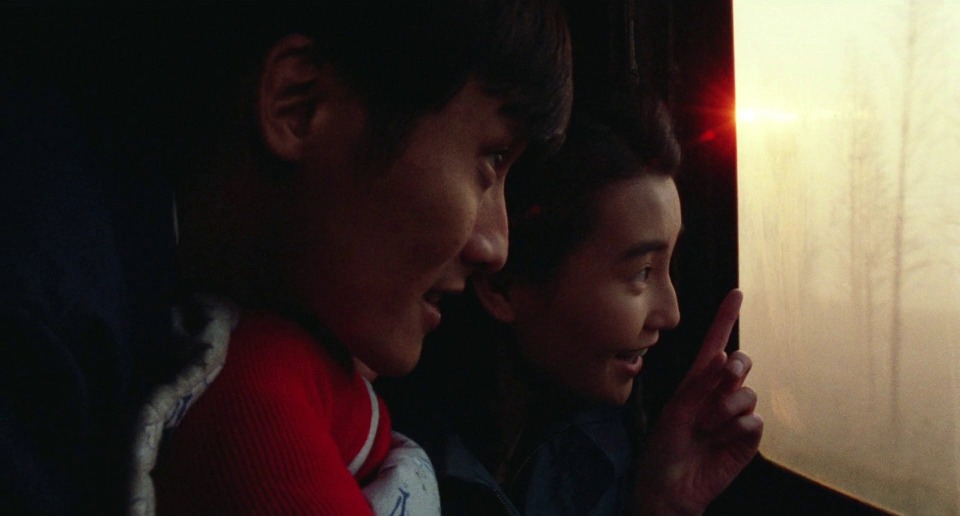
Clara Law’s Farewell China screens on the 21st at the ICA, as part of the Hong Kong Film Festival 2025.
Nearly there. In the middle of August I went to see The Materialists. But now the promise of autumn is already, very suddenly, in the air. Fall festivals are coming into view, including London’s own LFF, while the anointed from spring’s cycle are making their way to the cinema in time for awards season. The start of a new university year, and the receding blockbuster menace mean venues are putting their best faces forward to attract that Student Loan Company money. Paul Thomas Anderson has a new movie at the end of the month. September looks more promising — if you know where to look.
This month at the BFI there’s The Good — Anna May Wong: The Art of Reinvention, a season offering the chance to see films neglected (Lady from Chungking), newly restored (Song), or otherwise archive-bound (The Toll of the Sea), buttressed with a decent academic heft. There’s an illustrated talk, and “A Yellow Spot on the Silver Screen” — Anna May Wong’s Performative Pleasure, a talk on the actress’ career and legacy by Professor Yiman Wang on the 2nd of October — both look worth attending.
The Bad Interesting: Associated-Rediffusion — television, but something that satisfies my general sense that there should be more non-filmic image work in repertory cinemas, clogged with the same mid-century cultural-industrial complex. In this spirit, Precious Things — Oddities and Rarities scratches my sociological fancy.
And The Ugly: Ridley Scott: Building Cinematic Worlds. It will sell tickets and fill war chests — my adolescent DVD collection proudly featured Black Hawk Down and Gladiator as any boy’s should, but is there anything I really want to revisit or catch for the first time? Maybe The Duellists. Maybe not.
Elsewhere, the Barbican has All Kaiju Attack SOS!, a programme sifting through the far reaches of the Godzilla franchise to examine its ecological merit, according with my principle of taking the pop and ‘low’ seriously and a fondness for large battle scenes (thanks, Ridley). Also beginning this month for a year-long monthly engagement, is Animation at War, which shows promise as a season that might yield interesting and novel offerings.
At the ICA, Serge Daney and the Promise of Cinema continues, a season buoyed by a strong critical engagement. Led by curator Arta Barzanji and Gerard-Jan Claes, founder of the inestimable Sabizan, the season gains a lot from an approach that emphasises pairing dissonant texts together, letting the peg of a critical lens do the heavy lifting.
Being slingshot from Night and Fog straight into the Cinemascope Sunday afternoon comfort of Moonfleet, and, to a lesser extent, from Straub-Huillet into She Wore a Yellow Ribbon were stirring viewing experiences; ones ostensibly always possible but never intentionally sought out by the idle streamer. The follow up to the summer Rivette season, a comprehensive retrospective of Angela Schanelec, Being in Time: The Cinema of Angela Schanelec, opening on the 12th with I Stayed in Berlin All Summer + Shorts, and an In Focus on the “charming and irreverent” cinema of Pia Frankenberg from the 19th to the 23rd promise similar, perhaps less dissonant, joys.
September sees a handful of festivals running in the capital. The Hong Kong Film Festival returns, opening on the 12th and playing out at venues across London. Forever Foreigner: The Films of Clara Law, curated by Eleanor Lu and Ching Wong, is a standout strand, a retrospective hosted by the ICA paying dues to an under-appreciated filmmaker of the Hong Kong New Wave. Highlights include the UK premiere of 1985’s They Say the Moon is Fuller Here on the 20th, followed by a Q&A with Law and screenwriter Eddie Fong, with The Goddess of 1967 screening later that evening. The Maggie Cheung-starring Farewell China (pictured) screens on the 21st, with another chance to see Law and Fong in conversation.
Also back for another year is the Fringe! Queer Film & Arts Fest, celebrating its 15th edition. Running from the 13th to the 21st of September, highlights include a screening of the pre-Code, Mae West–starring She Done Him Wrong at the Cinema Museum, presented by Women & Cocaine on the 15th, and a programme of the video work of sex worker, activist, and performance artist Mirha-Soleil Ross — Mirha’s Transexual Touch — taking place at Rich Mix on the 20th, helmed by TGirlsonFilm.
The last of the notable festivals this month is, appropriately, The Slow Film Festival, back with a packed slate at Good Shepherd Studios. A headline screening of work by John Smith is highlighted below, but the programmes Excavations of Truth and States of Belonging are also noteworthy explorations of the image in our mediated present.
Besides festivals, a two-month Ken Loach retrospective opens on the 28th with Up the Junction at The Garden Cinema, which is also the venue for the launch of GP Surgery, a new film club “specialising in experimental film and artist moving image, curated by Jaison Washington and Molly Miles — opening on the 20th with Johnny Panic. The Rio hosts Sailors Are Gay, a season that offers exactly what it says on the tin, and the Institut Français has Travelling Shots, a season exploring the art of holidays in film.
Last but not least, in promising Atlas Cinema alumni news, follow Finch Community Cinema on Instagram. A new project that aims to “challenge dominant screen cultures” in the lovely environs of London Fields.
Highlights
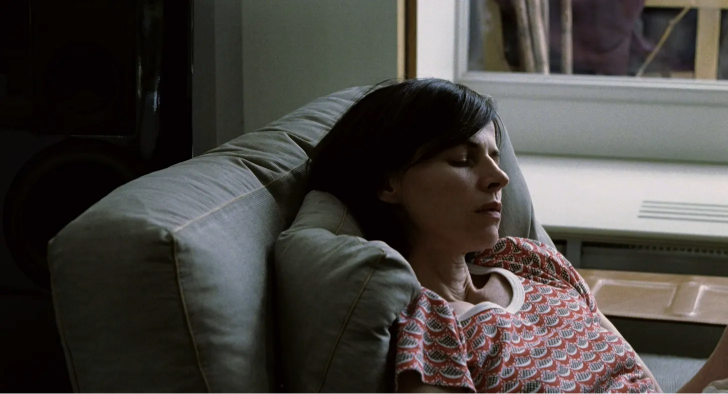
On the 25th Angela Schanelec’s Afternoon screens on 35mm, a highlight of Being in Time: The Cinema of Angela Schanelec.
— On the 3rd, the ICA’s Serge Daney and the Promise of Cinema presents Ceddo, a film that pushes against expectations of a “dancing and singing cinema of liberation,” telling the tragedy of a people stripped of the right to speak. James S. Williams introduces.
— On the 7th, The BFI’s Anna May Wong: The Art of Reinvention season screens Song, Richard Eichberg’s love-triangle drama. A new restoration, the screening is accompanied by Stephen Horne and followed by a Q&A with Anna Wong, Anna May Wong’s niece, and author Katie Gee Salisbury.
— Funeral Parade presents La Cage aux Folles at the Prince Charles Cinema on the 9th, a “riotously funny social satire” telling the story of Albin and Renato, a middle-aged gay couple and their masquerade when the latter’s son brings home his fiancée and her ultra-conservative parents. Over at The Nickel, Vernon Zimmerman’s Fade to Black, a combination slasher, character study, and movie-buff fever dream, screens with an introduction by Ian Mantgani.
— Everything Seemed Possible (Todo parecía posible) is at the Barbican on the 10th, Ramon Rivera Moret’s documentary on Puerto Rico’s Division of Community Education’s groundbreaking film unit, a group who produced work aiming to empower and inspire social change. The screening is followed by a ScreenTalk between Moret and Jonathan Ali. On the 11th, the ICA has The Short Films of the Puerto Rican film unit, a selection of four shorts by the group.
— On the 12th The Garden Cinema’s Divine Trash: The Films of John Waters season comes to a climax with Polyester — presented in Odorama. Free Scratch ‘n’ Sniff card included with your ticket. Over the road from St. James’, Late Tapes returns with an edition exploring the “home” movie archive of Public Play featuring works depicting “daring acts of desire stage outdoors”.
— Close-up and Supa Kino present Bombay Mix, a promising new season of double bills pairing much neglected Indian cinema with classics from the rest of the world that share affinities. The season opens on the 13th with Mother India and I Am Cuba. Introduced by Ranjit S. Ruprai, followed by a discussion with Dr. Kulraj Phullar.
— The Machine That Kills Bad People returns to the ICA on the 16th with a pairing of Amy Halpern’s Falling Lessons, a vertiginous study of “the hypnotic potential of the gaze,” an indictment of police violence, and portrait of the filmmaker’s community. The feature is joined by Julie Dash’s Illusions, a playful yet confronting period piece essaying Hollywood racism. Across town at the Rio, you can catch Arabic Cinema Club, an evening curated by director Annemarie Jacir, featuring Elia Suleian’s Homage by Assassination.
— The Slow Film Festival opens on the 20th at Leytonstone’s Good Shepherd Studios with John Smith’s Home Suite, an at turns mundane and profound work that offers a real time tour of his home before his eviction. The screening is followed by a Q&A with the director and John Rogers.
— The Hong Kong Film Festival’s Forever Foreigner — The Films of Clara Law strand presents Farewell China on the 21st. A melancholic migrant story made in the aftermath of the Tiananmen Crackdown, following a couple as they leave Guangdong to seek a better life in New York. A live online Q&A with director Clara Law and Eddie Fong follows. At the Barbican, All Kaiju Attack: Earth SOS! presents Godzilla vs Megalon, a cult favourite featuring “Godzilla once again flexing his eco-saviour muscles”. Featuring an introduction by kaiju expert Steven Sloss.
— On the 22nd the Rio’s Sailors Are Gay mini-season opens with Night Tide, Curtis Harrington’s story of a sailor whose shore leave takes a turn for the fantastical, when he falls for a woman posing as a mermaid on the Santa Monica Pier, preceded by Kenneth Anger’s Fireworks and Bev Zalcock’s Fireworks Revisited. Bev Zalcock and Sara Chambers will be in conversation.
— On the 25th Angela Schanelec’s Afternoon screens at the ICA on 35mm, as part of Being in Time: The Cinema of Angela Schanelec. A loose adaptation of The Seagull, the film is an obliquely observed and restrained study of the drift of a bourgeois family set over a balmy summer in a Berlin lake mansion.
— The BFI’s Associated-Rediffusion: The UK’s First Groundbreaking TV Franchise season presents The Precious Things — Oddities and Rarities from the BFI National Archive on the 27th, a “hand-picked” selection of “the more esoteric flotsam and jetsam” of its archive, featuring talk shows, adverts and magazine programmes.
— An avant-garde city symphony previously considered lost, Barbican’s New East Cinema strand presents Mikhail Kaufman’s In Spring on the 29th. A “joyful and lyrical portrait of Kyiv in which city and countryside, nature and architecture, living beings and machines all cohabitate”.
White Cube
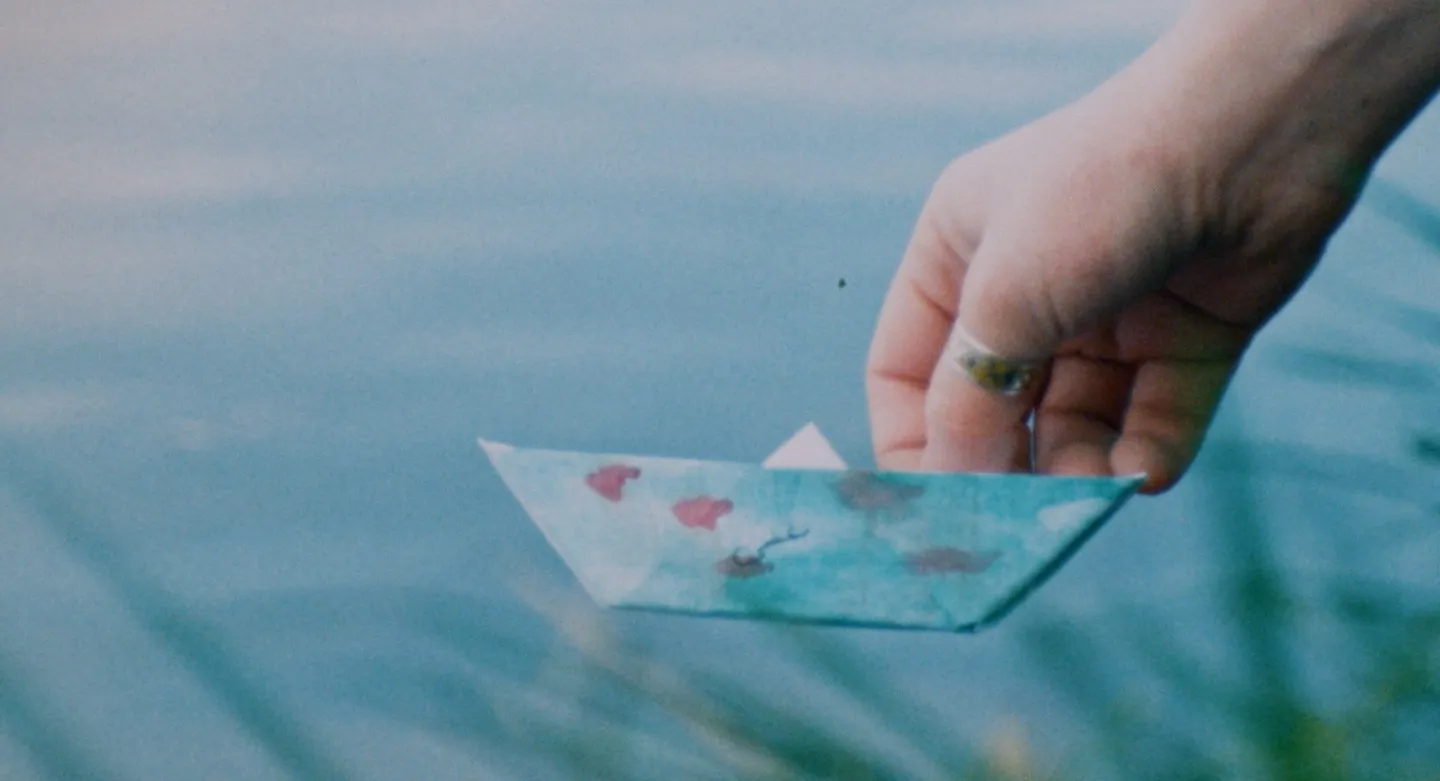
On the 12th, LUX Waterlow Park presents Niki Kohandel: ‘(I am writing)’.
— The Showroom presents I Do Nine-Tailed Fox, the first UK solo exhibition of artist Sojung Jun, running from the 26th to December 13th. The newly commissioned film and sculpture installation invokes the East Asian mythic figure of the gumiho to essay transformation, migration, and survival.
— From the 12th through to November the 2nd, LUX Waterlow Park hosts Niki Kohandel: ‘(I am are writing)’, a show that explores language, memory, and belonging through the imagined journeys of a poet, a painter, and an owl.
— Opening on the 26th, Goldsmiths CCA presents Life Before Automation, Lawrence Lek’s latest exhibition, featuring video work that positions viewers in parallel futures where present-day anxieties about technological progress have become everyday, reframing Chinese industrialisation through AI, with machinic protagonists including a satellite aspiring to be an artist and an AI ghostwriter.
Forum
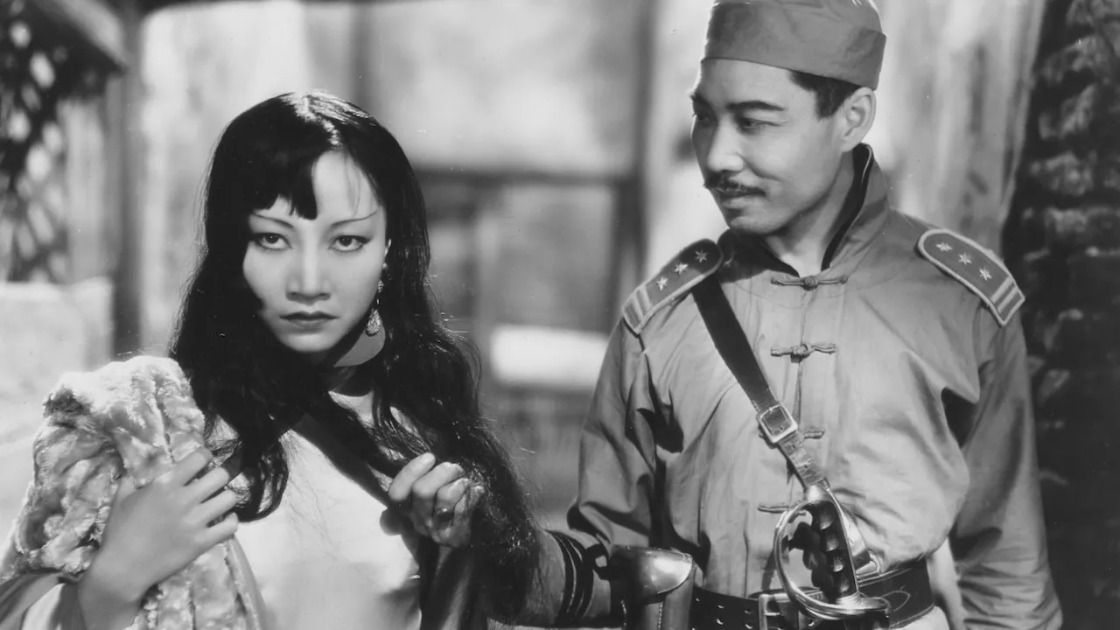
On the 8th the BFI hosts an Illustrated Talk on the life and career of Anna May Wong.
— On the 3rd the Garden Cinema’s Site and Sound event series returns for its latest iteration — Burglaries and Heists — hosting a discussion on “the subterfuge and suspense” of the genre, exploring an architectural reading with speakers including Daniel Hewitt, Lucy Pickford and Geoff Manaugh.
— As part of Anna May Wong: The Art of Reinvention, on the 8th BFI Southbank will host an illustrated talk on the actress, considering her key roles as well as discussing her trans-national life and career. Guests include Anna May Wong’s niece Anna Wong, author Katie Gee Salisbury, film historian Pamela Hutchinson and season curator Xin Peng.
— On Sunday the 21st, the Slow Cinema Festival hosts the Slow Film Roundtable an open conversation on the role of slowness and duration in cinema. Featuring many of the festival’s filmmakers, the discussion will take place in the gardens of Good Shepherd Studios.
Until Next Time