


William Raban’s Thames Film screens at the ICA on the 19th.
Open City Documentary Festival returns for its 16th iteration tonight. Opening with an at-the-time-of-writing sold-out screening of Interstitial Cinema: The films of Artzvazd Pelechian at the Barbican, essaying the director’s “cinema without words” across two films that address the ambitions of the October revolution and the space race of the mid-century.
Over the next five days, the festival will take in amateur filmmaking culture in Cuba and Soviet Poland, the genre-defining work of Ken and Flo Jacobs, and the archive-informed practice of London-based filmmaker and artist Onyeka Igwe, before heading back out to the stars, closing with Graeme Arnfield’s The Case Against Space, accompanied by Marta Popivoda’s SLET 1988, films whose star-bound preoccupations are tempered by more earthbound, terrestial concerns and politics.
There is, of course, a lot more than any potted guide or survey could cover. As with any good festival, an element of happenstance and discovery is the point: you visit it before you know what it is. Our guide below is an attempt to pull out particuarlly exemplary picks from the festival. Visitors who prefer to chart their own path can find a full listings calendar available here.
Highlights
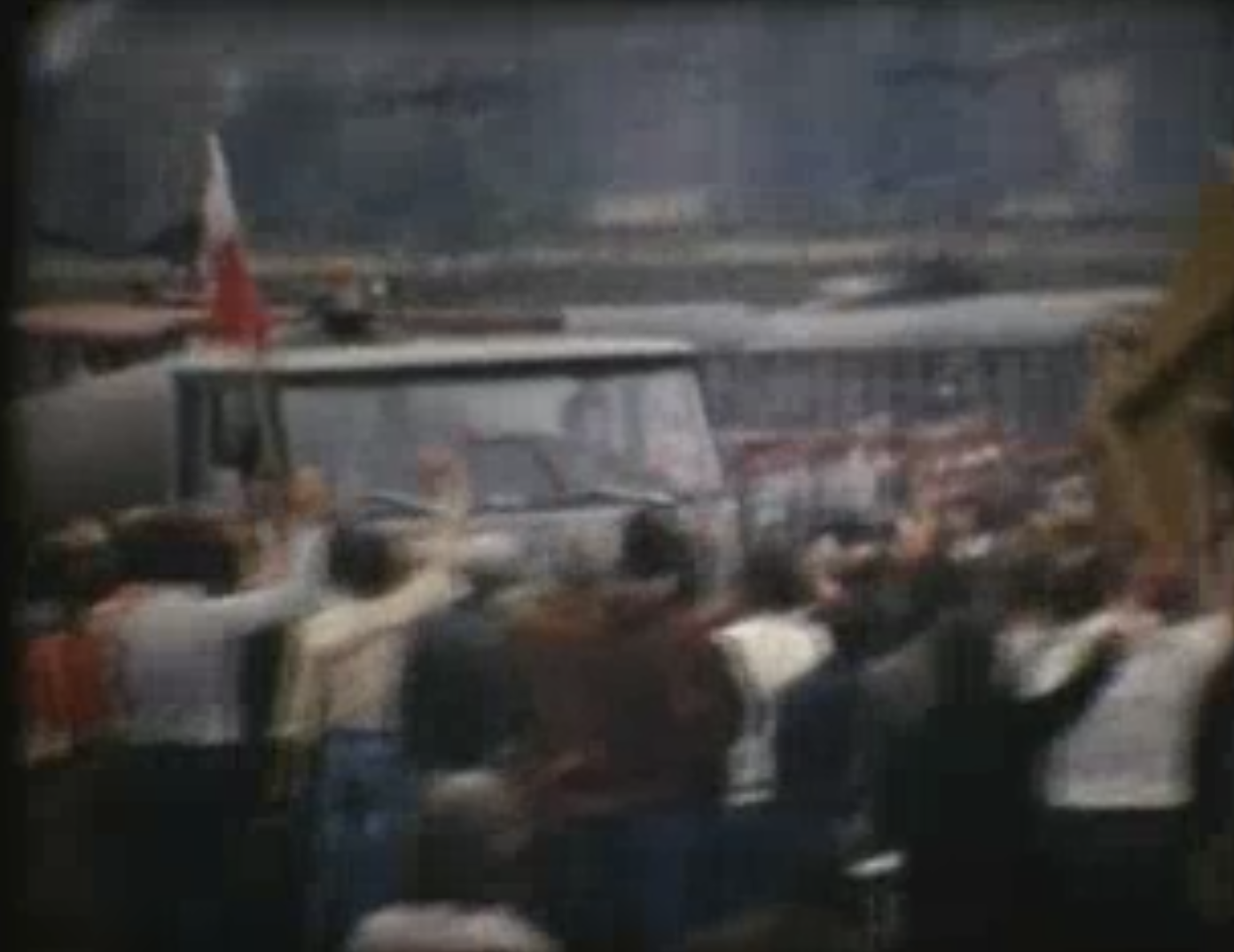
Leszek Boguszewski’s Blokada (1981)
On the 15th, Life and Labour in Socialist Poland – Non-Fiction Films from Enthusiasts screens at Rich Mix. Drawn from Neil Cummings and Marysia Lewandowska’s Enthusiasts Archive project, the programme presents a survey of films made by Poland’s amateur film clubs during the socialist period — works produced outside official studios, deeply embedded in the rhyhtms and contradictions of everyday life, serving as a testimony to the everyday texture of life and to the “diverse amateur film cultures that existed in the country” beyond the monolthic historical record.
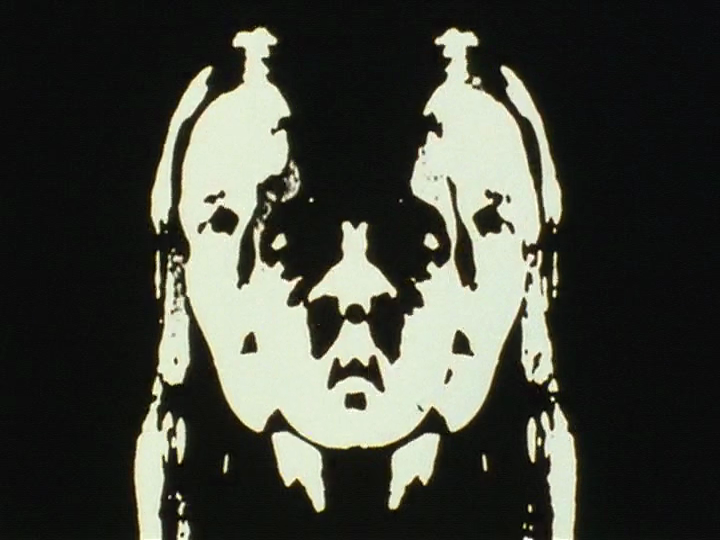
Scott Bartlett’s OffOn (1972)
On the 16th, Sensual Laboratories screens at the ICA. Curated by writer and programmer Sophia Satchell-Baeza, the screening offers an exploration of the light show as a unique genre of expanded cinema defined by the ephemerality born from its lack of a fixed abode and medium’s working through of chance encounters between dyes, liquids and live performance.
Opening with hand-painted glass slides by American artist and experimental film pioneer Sara Kathryn Arledge, and, true to the spirit of the genre, featuring several works projected on 16mm, the programme traces the migration of light show aesthetics from the night club to the gallery, with works by Barbara Hammer, John Smith, Joan Hills and Mark Boyle.
This programme is followed by a panel discussion following the screening featuring Jarvis Cocker and John Smith.
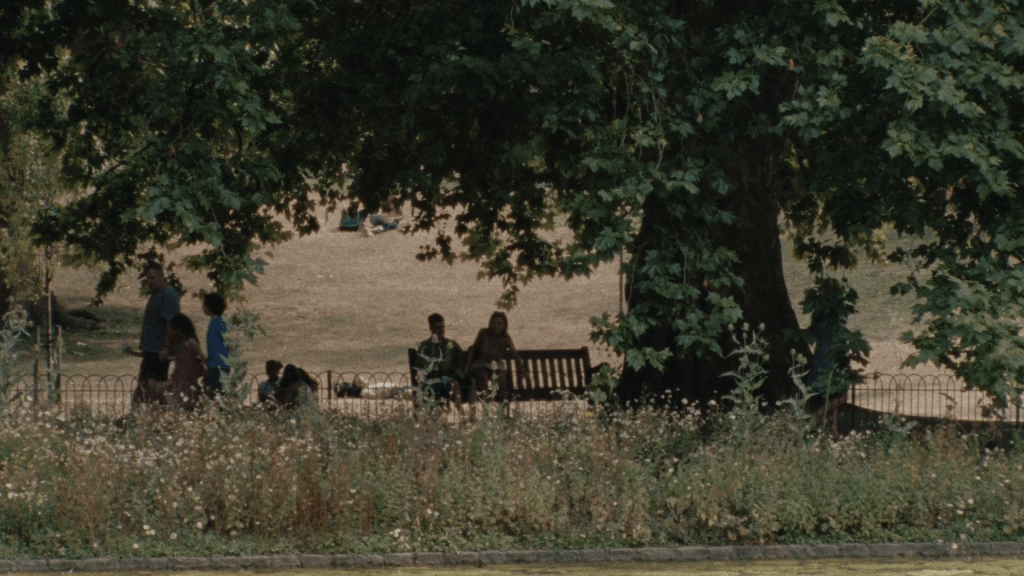
Onyeka Igwe and Huw Lemmey’s Ungentle (2022)
On the 17th, In Focus: Onyeka Igwe 1 opens the festival’s strand dedicated to the work of the London-based artist-filmmaker at the Barbican. Spanning a decade of work from 2015 to 2025, this selection traces a sustained engagement with colonial legacies, diasporic experience, and the politics of visibility, through a practice that moves between cinema, installation and research. Across these films, the archive remains unfixed, reworked through gesture, voice, and presence into forms that resist closure and invite new ways of seeing and remembering.
On the 18th the strand continues at the ICA with Accidental Aesthetic Tradition, a collection reflecting “on the formative influence of late-night television and experimental film culture” on the artist, featuring works by Gillian Wearing and William Raban, alongside Adam Roberts 1995 short, Hands, recently featured at the 2022 Venice Biennale, before In Focus: Onyeka Igwe 3, another programme of the filmmaker’s works, closes things out.
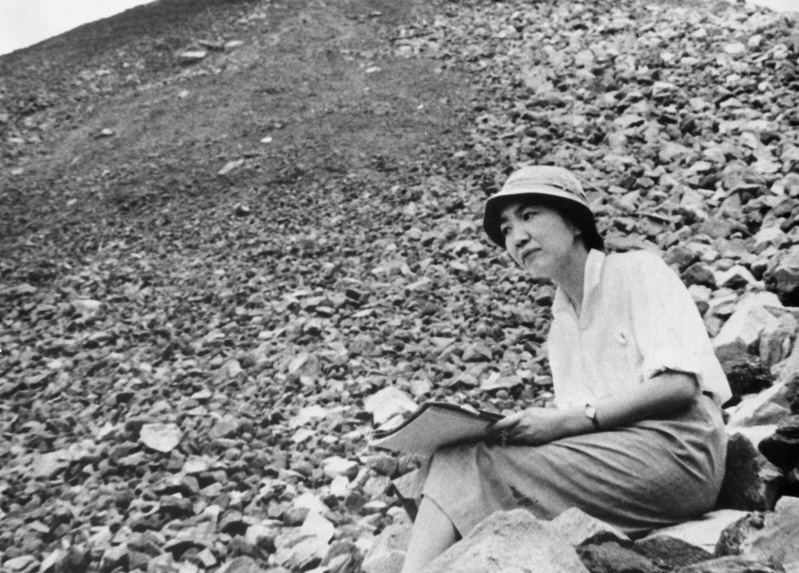
— On the 18th at Rich Mix, Summoning The Silenced: The Work of Tomiyama Taeko offers a tribute to the Japanese painter, printmaker and multimedia artist, whose work was defined by a sustained committment to art as political testimony and reportage. Curated by programmer Ricard Matos Cabo, responsible for last year’s excellent programme on Ogawa Productions’ films on the Sanrzika Struggle , this screening brings together two films and a 1976 slide set, foregrounding Tomiyama’s collaborative practice, one preoccupied with labour, exploitation and ecological justice.
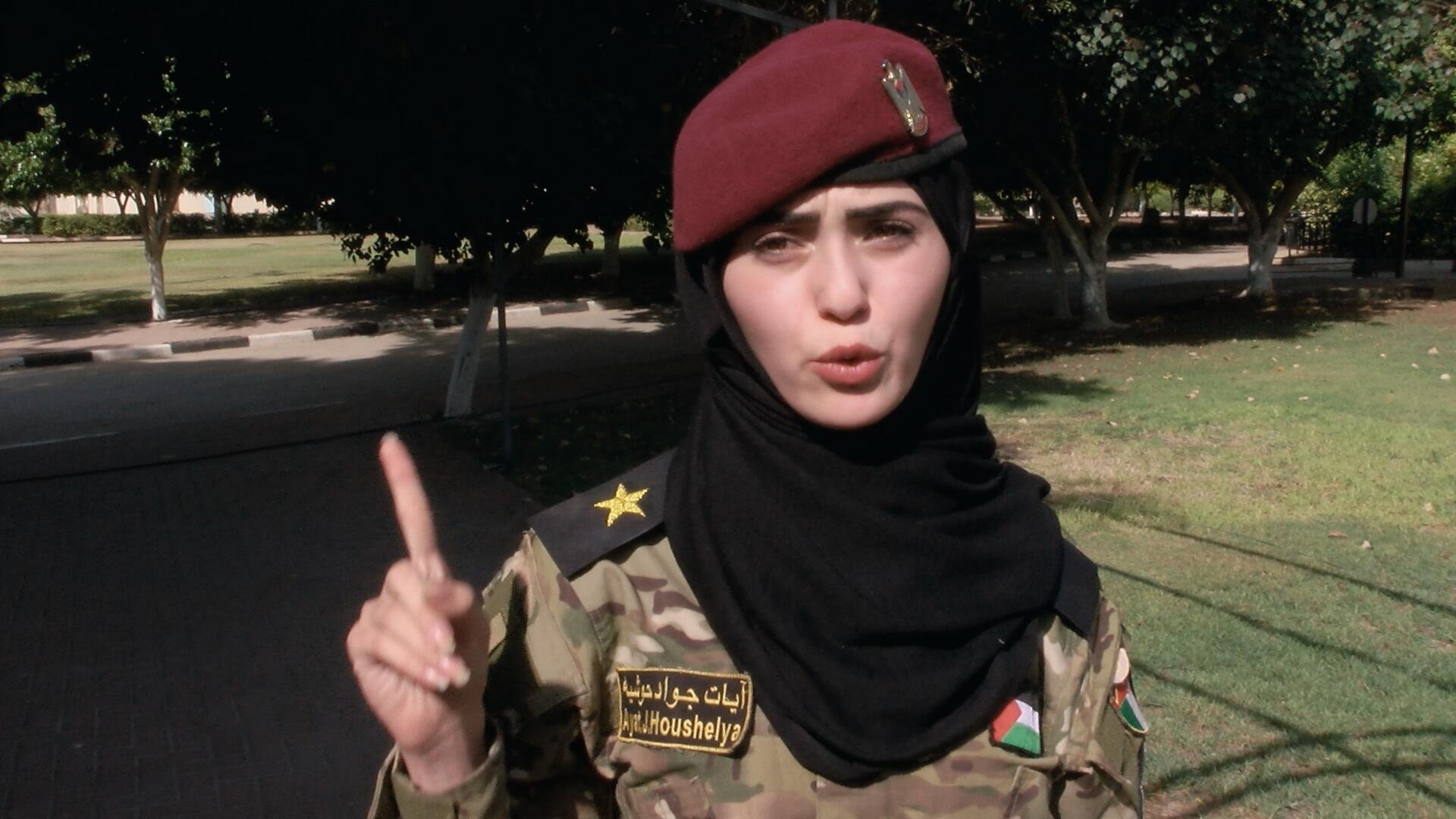
Showing at Close-Up on the 19th, National Pride: From Jericho to Gaza follows Palestinian diplomat Hassan Al Balawi on his return to the West Bank fifteen years on from the death of Yasser Arafat. Moving with him from Jericho toward the Gaza border, the film unfolds as a close, attentive study of passage—across landscapes shaped by occupation, and through encounters with political figures, Arafat’s family, and those once involved in the peace process. A work of testimony filmed in 2019 that foreshadows the events of October 7th.
Followed by a Q&A with the filmmaker.
White Cube

Alice Bucknell’s Ground Truthing screens throughout the festival at Rich mix
Running from the 15th to the 19th at Rich Mix, A Sense of Space, this year’s Expanded Realities Exhibition, “brings together projects across VR, audio, installation and video games that explore how our senses shape our experience of the environments around us”.
Alice Bucknell’s Earth Engine and Ground Truthing, alongside Kris Hofmann’s Out of Nowhere, focus on climate and technology, examining how environmental change reshapes perception and how we relate to the landscapes we inhabit.
Constantinopoliad and Peace of Mind turn to the creative process, using audio to trace how art is shaped by others — friends, lovers, family — presenting it as porous and continually evolving.
Forum
At the ICA on the 19th The Ian White Lecture will be given by filmmaker, writer and artist Jordan Lord. Taking its cue from Ian White’s reflections on the strange intimacies of spectatorship, Lord’s performance lecture will centered around a version of their new short Concealed and Denied, “an archival film without archival footage,” that interrogates right-wing propaganda and its relation to mainstream media and documentary film.
Presented live, the work resists fixity, incorporating contemporary news that has unfolded since the production of the film to reflect on the “liveness” of cinema, and how a film changes based on its circulation and the conditions of its spectatorship.
Until next time